

Dani Casanovas
CEO of IMAGINA
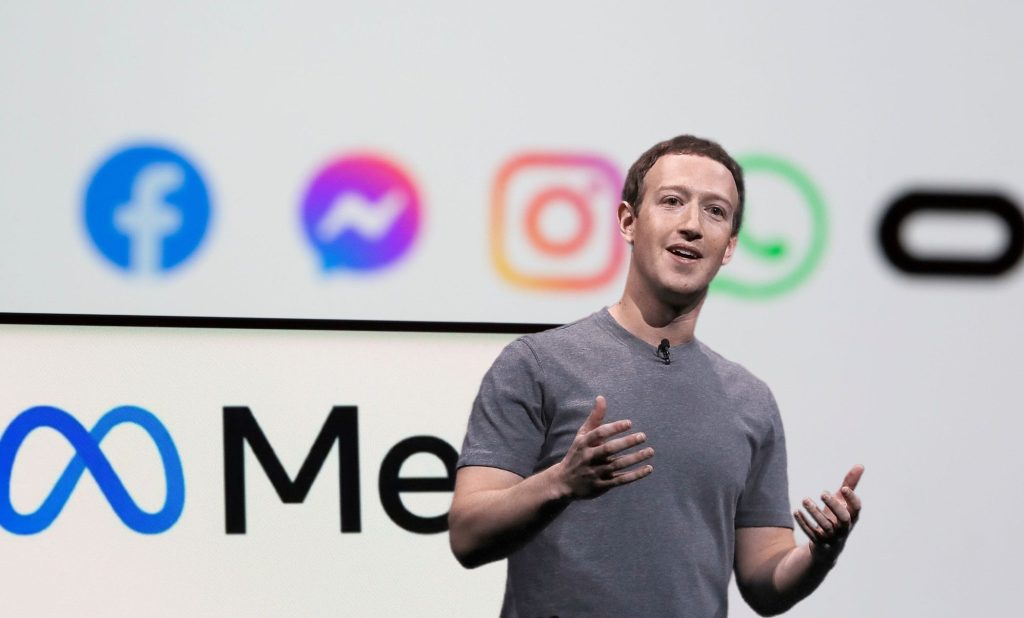
Over the years, business communication has evolved to undergo a radical transformation. Brands have gone from treating their consumers in a distant manner to explaining news to them in a close manner.
Can you imagine Mark Zuckerberg, CEO of Meta, recording himself with the camera selfie of your phone explaining the latest news of Meta Horizon OS? Well you don’t need to go far, because this is happening now. The paradigm shift is undeniable and is manifested in the growing tendency of companies to put the value of proximity to the foreground, allowing users to get to know the people behind the product or service they offer.
If we look back, we can see how brands used to limit themselves to maintaining an impeccable corporate image, often in a distant and disconnected way from consumers. However, with the arrival of social networks and the growth of access to online communication platforms, consumers demand closer and more transparent communication with the brands they choose. In response to this demand, companies are beginning to humanize their image, showing that behind their corporations there are real people.
One of the most effective means of communication, and one that brands are using the most, is to present the team of workers that makes the availability of the product or service they offer possible, thus empowering them to transmit the objectives and messages of the corporation. This marketing strategy not only adds authenticity to the brand narrative, but also creates a sense of belonging among employees and strengthens the company’s organizational culture.
This is not all, some companies are carrying out an unthinkable phenomenon: the growing presence of CEOs and business leaders in the public sphere of social networks, as we have seen with Mark Zuckerberg. In the past, managers tended to be more discreet figures, reserving their appearances for formal events or important announcements. However, in the digital age, where social networks are the order of the day, CEOs and leaders are assuming closer roles, becoming the main spokespersons for their companies.
This shift towards closer and more personalized communication has benefits for brands, as it allows them to establish stronger relationships with consumers. These, in turn, appreciate the transparency and humanization of the brand.
The phenomenon translates into an increase in customer loyalty and greater commitment on the part of workers.
In business communication, the trend towards greater proximity and authenticity is unstoppable. This significant evolution in the way brands engage with their audiences strengthens relationships and makes them longer lasting in this digitally connected era.